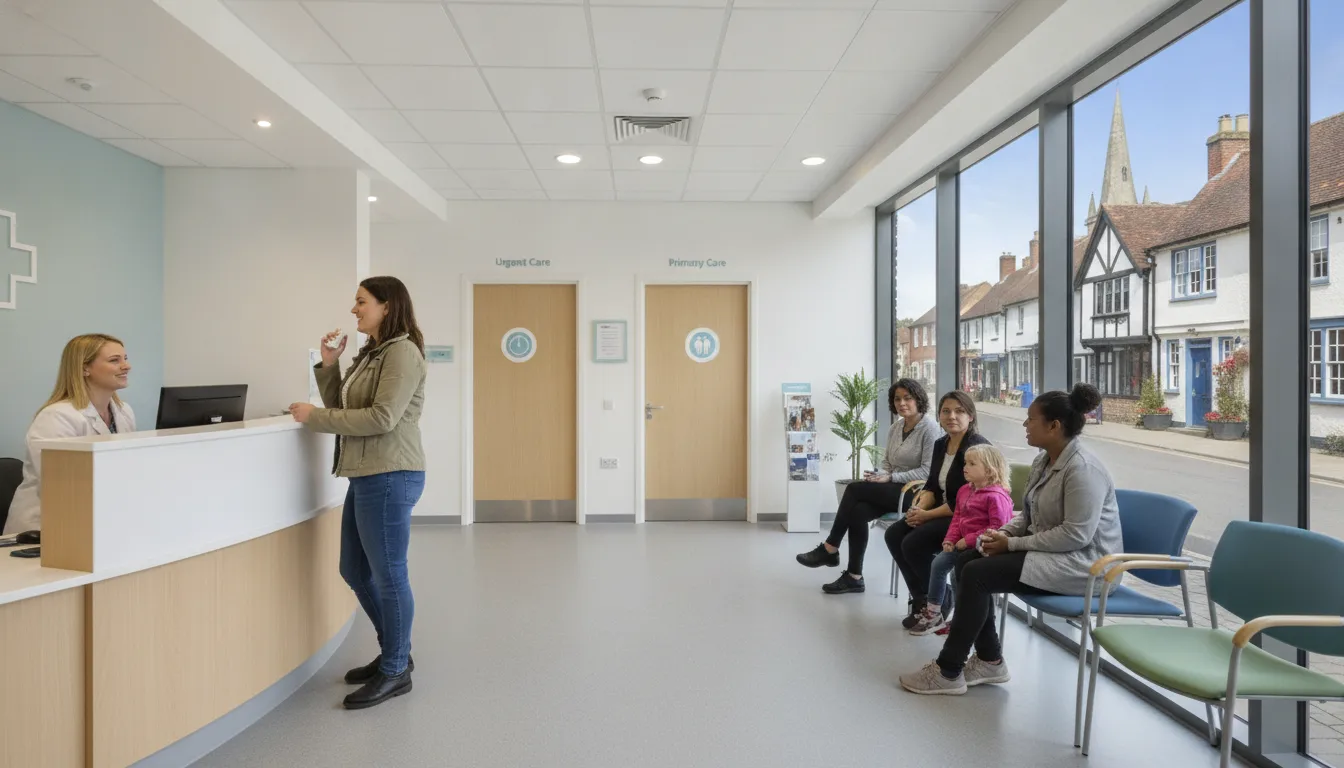
Summary: If antibiotics aren't working, consider visiting an urgent care clinic in Ludlow for immediate attention to non-life-threatening conditions. Urgent care is ideal for sudden illnesses like infections and offers walk-in services with shorter wait times. Always verify insurance acceptance to avoid unexpected costs. For ongoing health management, consult a primary care provider.
A prescription bottle sits on your nightstand on morning four. Half the pills are gone, but the fever is back and the cough has settled deeper into your chest. At that point, wondering about antibiotics not working what to do is a very ordinary worry when a prescribed treatment doesn't clear an acute infection. Two weeks for a routine appointment is a long wait when symptoms keep getting worse, and a crowded hospital emergency room can turn a simple bacterial recheck into hours of sitting still.
Patients dealing with lingering symptoms across Ludlow usually end up choosing between same-day walk-in clinics and scheduled primary care offices. The costs differ. So do the intake lines and the tests each place can run. Of the 37 clinics listed in our directory, picking the one that fits a changing illness can save time, keep bills down, and get you the right treatment without extra delay.
Key Takeaways
- Urgent care treats acute failures: Same-day walk-in centers can check you right away, order imaging, and switch antibiotics when an infection doesn't respond the first time.
- Primary care manages continuity: General practitioners keep track of overall health, recurring infections, and long-term disease checks through scheduled visits.
- Network participation dictates expenses: Check insurance coverage before treatment, or you may end up with out-of-network balance bills and higher co-pays.
- Walk-in access speeds recovery: Ambulatory centers across Ludlow cut out appointment delays by taking sudden medical complaints as people arrive.
- Reputation reflects care standards: Facilities with a large pile of feedback, such as Pediatric Urgent Care in Anaheim with its five-star average across 216,000 reviews, point to steady patient satisfaction (American Family Care, 2023).
- Intake automation shortens waits: Tools like Clincy handle registration and demographic intake, which keeps the waiting room from filling up so fast.
At a Glance
| Care Option | Typical Wait Time | Insurance Handling | Optimal Clinical Use |
|---|---|---|---|
| Urgent Care | Under 30 minutes | Accepted by most commercial plans | Immediate acute illness, minor trauma, therapy changes |
| Primary Care | 2 to 3 weeks | Plan-dependent network acceptance | Chronic condition monitoring, preventive screenings, care continuity |
Urgent Care: Quick Solutions for Minor Illnesses
Urgent care clinics are built for sudden problems that are not dangerous enough for the emergency department, but too uncomfortable to leave for a routine family doctor visit. These walk-in centers offer same-day consultations, point-of-care lab tests, and prescription changes, sometimes within thirty minutes of arrival. People dealing with stubborn bacterial infections or side effects from medication can get examined without booking ahead.
Community ambulatory clinics handle health problems that sit between normal office hours and the emergency room. If a course of oral amoxicillin or azithromycin does nothing for an earache, strep throat, or urinary tract infection, these facilities can run quick swabs, urine cultures, and blood panels to see whether the treatment failed. The clinician looks at the affected area, checks for possible resistance, and moves the patient to a different drug class.
Diagnostic equipment matters a great deal in how these walk-in practices work. On-site digital radiography lets clinicians rule out problems like pneumonia, while in-house labs return blood counts and urinalysis results during the same visit. That avoids the long delay you get when samples are sent to an outside commercial lab.
Patient volume and satisfaction scores say a lot about how these centers run. The Pediatric Urgent Care in Anaheim keeps a perfect 5/5 rating across more than 216,000 patient reviews, which suggests that easy access and plain, dependable care matter to people (American Family Care, 2023). Walk-in facilities also tend to stay open later on weekdays, and many open on weekends and holidays for working families.
There are limits, though. Urgent care clinics do not handle advanced organ failure, deep surgical wounds, or cardiovascular emergencies that are not being watched closely.
Primary Care: Long-Term Health Management
Primary care practices oversee patient wellness through continuous preventative assessments, routine screenings, and long-term therapeutic regimens for persistent health conditions. These clinics serve as the foundation of your personal medical record, coordinating complex treatment plans across multiple medical specialists. While primary care offers comprehensive medical management, securing an open consultation slot often requires waiting several weeks.
Sustained clinical relationships allow primary care doctors to evaluate illness within the broader context of your baseline health. When treating recurring infections, a family doctor reviews prior prescription histories, known drug allergies, and past lab cultures to determine whether an anatomical abnormality or underlying immune issue contributes to the cycle. This longitudinal approach prevents the fragmented trial-and-error prescribing that sometimes occurs across disparate walk-in visits.
Florida Atlantic Medical Group in Boca Raton exemplifies this model by providing dedicated, patient-centered adult medicine tailored to individual health trajectories (Florida Atlantic University, 2023). Practices of this size manage hypertension, diabetes, hyperlipidemia, and endocrine disorders through scheduled monitoring, lifestyle coaching, and periodic blood testing. By focusing on preventive measures such as annual vaccinations, cancer screenings, and metabolic surveillance, general practitioners identify minor abnormalities before they escalate into acute medical emergencies.
Despite these substantial benefits, primary care cannot always meet the needs of sudden, time-sensitive illnesses. When an acute infection flares and your primary doctor has no open appointments for ten days, insisting on waiting can allow a minor localized problem to spread. Utilizing urgent care for intermediate symptom relief while maintaining your primary care physician for annual preventative oversight offers the safest balance.
Insurance: Avoiding Surprise Bills
Confirming that an outpatient clinic participates with your specific insurance carrier before receiving medical care prevents unexpected balance billing and costly out-of-pocket claims. Commercial health plans, Medicare, and Medicaid establish distinct co-payment tiers and network directories for separate clinic categories. A brief pre-visit check protects your budget and clarifies your financial liability before services are rendered.
Reimbursement rules differ between scheduled office consultations and walk-in ambulatory facilities. Certain employer-sponsored policies assign a modest thirty-dollar co-pay to general practitioner visits while applying a seventy-five-dollar co-pay to an urgent care visit. Other managed care policies enforce strict geographical networks or require primary care physician referrals before covering specialist follow-ups. Knowing how your deductible applies to rapid strep testing, nebulizer treatments, or plain-film X-rays prevents post-visit billing disputes.
Staff members at medical practices must ensure their outreach and insurance claims mirror current network contracts. Clinic operators can verify marketing alignment and compliance using the Free Clinic Ad Compliance Checker to make sure published accepted-plan details remain clear to consumers. Misleading network claims or outdated carrier lists cause immediate patient frustration and prolonged reimbursement disputes with commercial insurers.
Prior to stepping into an examination room, show your current digital or physical insurance card to the front-desk registrar. Request explicit confirmation that the treating physician, rather than solely the physical facility, is in-network. If you carry a high-deductible health plan, inquire about self-pay flat rates for basic infection re-evaluations, as cash-pay discounts occasionally cost less than paying against an unfulfilled annual deductible.
Reviews: Gauging Clinic Quality
Verified patient reviews give a grounded look at clinical skill, triage speed, front-desk communication, and the time people actually spend in the lobby at nearby practices. Public comments also expose slow admin work, billing mistakes, and rough bedside manner before you ever walk into the waiting room. Reading those accounts helps you choose a place with a track record you can see.
Review volume matters too. A clinic with hundreds of detailed local ratings gives a more believable picture of how it runs from day to day. For example, Pediatric Urgent Care in Anaheim holds an exceptional 5/5 score across more than 216,000 reviews, which suggests heavy patient volume can still go with careful, patient-first care (American Family Care, 2023). Repeated praise for clear discharge notes and clean rooms points to organized leadership.
The complaints tell their own story. Missed pharmacy sends, lab messages that never come back, and doctors who brush people off are all warnings worth noticing. Practice managers watch those patterns so they can fix bottlenecks in their clinics. Medical teams also use the Free Patient Review Request Kit to collect post-visit feedback in a structured way, giving clinic directors a way to spot service gaps and raise patient satisfaction across the region.
When you compare nearby choices, read more than the star number. Look at comments from the last ninety days. Pay attention to how providers handle changing infections, whether staff explain medication changes in plain language, and how clearly the front desk gives wait estimates. The best signs are simple: patients felt heard, the wait was reasonable, and the people at registration were polite.
AI Integration: Enhancing Clinic Efficiency
Artificial intelligence changes outpatient work by taking over intake registration, sorting symptoms, and arranging electronic records for the clinician who will see the patient. Instead of stacks of paper, clinics use digital questionnaires, which cuts admin delay and reduces clerical errors. Many practices use these systems to shorten lobby waits and leave staff with more time for hands-on diagnostic work.
Check-in can happen on a phone now. Patients enter insurance details, medical history, and current medication lists before they sit down. A system like Clincy reviews intake data right away and flags drug allergies plus active antibiotic regimens before the physician enters the exam room. That early summary helps prescribers spot drug interactions and earlier treatment failures without losing minutes to data entry.
These tools also help with resource planning and patient flow. Machine learning models look at local infection trends, seasonal illness patterns, and daily sign-in spikes to estimate queue times and plan staffing. When a clinic sees a surge coming, nurses can prep exam rooms in advance. That keeps registration from backing up and helps room turnover stay orderly during busy morning hours.
The payoff shows up in the visit itself. When software handles the admin load, medical providers can spend uninterrupted time listening to lung sounds, checking tympanic membranes, and walking through antibiotic schedules. The result is a calmer clinic, fewer diagnostic misses, and quicker attention for patients who need care.
How to Choose Between Urgent and Primary Care
Selecting between an urgent care center and a primary care doctor requires balancing the severity of your symptoms against scheduling convenience, network insurance rules, and past medical history. Walk-in clinics remain the superior choice for sudden, non-life-threatening ailments requiring same-day diagnosis and medication adjustments. Primary care practices remain the correct setting for annual preventative checks, long-term disease management, and coordinated specialty care.
When acute symptoms show no improvement after three days of oral antimicrobials, an urgent care visit resolves the issue without unnecessary delays. These facilities handle the diagnostic workup required to adjust your medication regimen, offering immediate swab results, basic blood analysis, and alternative prescriptions. For residents assessing local ambulatory options, consulting the Ludlow Medical Services: 2026 Comprehensive Overview provides additional clarity on regional facility hours, scope of service, and walk-in procedures.
Primary care remains irreplaceable for long-term health stability. If your infection is connected to an underlying systemic condition such as poorly controlled blood sugar, asthma, or an autoimmune disorder, book a follow-up with your personal physician once the acute phase resolves. Your primary doctor adjusts background maintenance medications, orders follow-up cultures, and tracks recovery milestones to prevent recurring illness.
Consider insurance limitations and out-of-pocket cost caps before departing for either facility. Verify whether your health plan requires designated primary care assignment for claim processing, and check whether walk-in facilities near you participate in your insurance network. Making deliberate, informed care choices keeps healthcare accessible and prevents unexpected clinical bills.
Conclusion
Examine your current symptoms honestly, confirm active network insurance acceptance, and visit a nearby urgent care center if your initial antimicrobial therapy has failed to control an acute infection. Walk-in medical facilities provide rapid diagnostic testing, physical re-evaluation, and modified prescriptions without the delays of scheduled office visits. Reserve your primary care physician for routine follow-ups, underlying risk factor evaluations, and long-term health management.
This outpatient care guidance does not apply to severe systemic distress. If your persistent infection presents alongside high fevers with stiff neck, acute shortness of breath, sudden confusion, or deep facial swelling, skip urgent care entirely and proceed to an emergency department for immediate stabilization.
Frequently Asked Questions
What should I do if antibiotics are not working?
Contact a medical provider immediately if your symptoms do not improve within forty-eight to seventy-two hours of starting antimicrobial therapy. Clinicians must re-evaluate your condition, verify the original bacterial diagnosis, and switch you to a different antibiotic class or order targeted laboratory cultures. Never discontinue prescribed antibiotics or alter dosages without professional medical direction.
What is this unidentified object in my stool?
Unidentified matter in bowel movements frequently represents undigested insoluble dietary fiber, seed hulls, or insoluble pill casings from extended-release medications. However, foreign materials can occasionally indicate parasitic infections or internal gastrointestinal sloughing. If unusual items appear repeatedly, or accompany abdominal pain, fever, or rectal bleeding, consult a physician for stool testing.
What is the amiodarone dosing protocol in CPR?
Advanced cardiac life support protocols specify an initial 300-milligram intravenous or intraosseous bolus of amiodarone for shock-refractory ventricular fibrillation or pulseless ventricular tachycardia during cardiac arrest. If the dysrhythmia continues after subsequent defibrillation attempts, medical providers administer a secondary dose of 150 milligrams diluted in dextrose.
How long is the wait at urgent care?
Most ambulatory urgent care centers maintain patient wait times between fifteen and thirty minutes from initial check-in to examination room placement. Peak arrival windows, such as weekday evenings, weekends, and seasonal viral outbreaks, can extend waiting periods. Calling the clinic or utilizing online check-in queues reserves your position before arriving.
Do urgent care clinics accept walk-ins?
Most urgent care centers operate on an open walk-in intake model, welcoming unscheduled patients during regular operating hours without requiring prior appointments. Arriving patients are triaged based on clinical acuity rather than arrival order. Checking the clinic website or calling ahead confirms current provider availability and helps verify real-time lobby volume.
Recommended resource
Related reading
- Walk-In Clinic vs Urgent Care: 2026 Comparison Guide
- 6 Best AI Systems to Find Your Peak New Patient Booking Times and Channels in 2026
- Do You Need a Referral for Physical Therapy? A 2026 Guide