
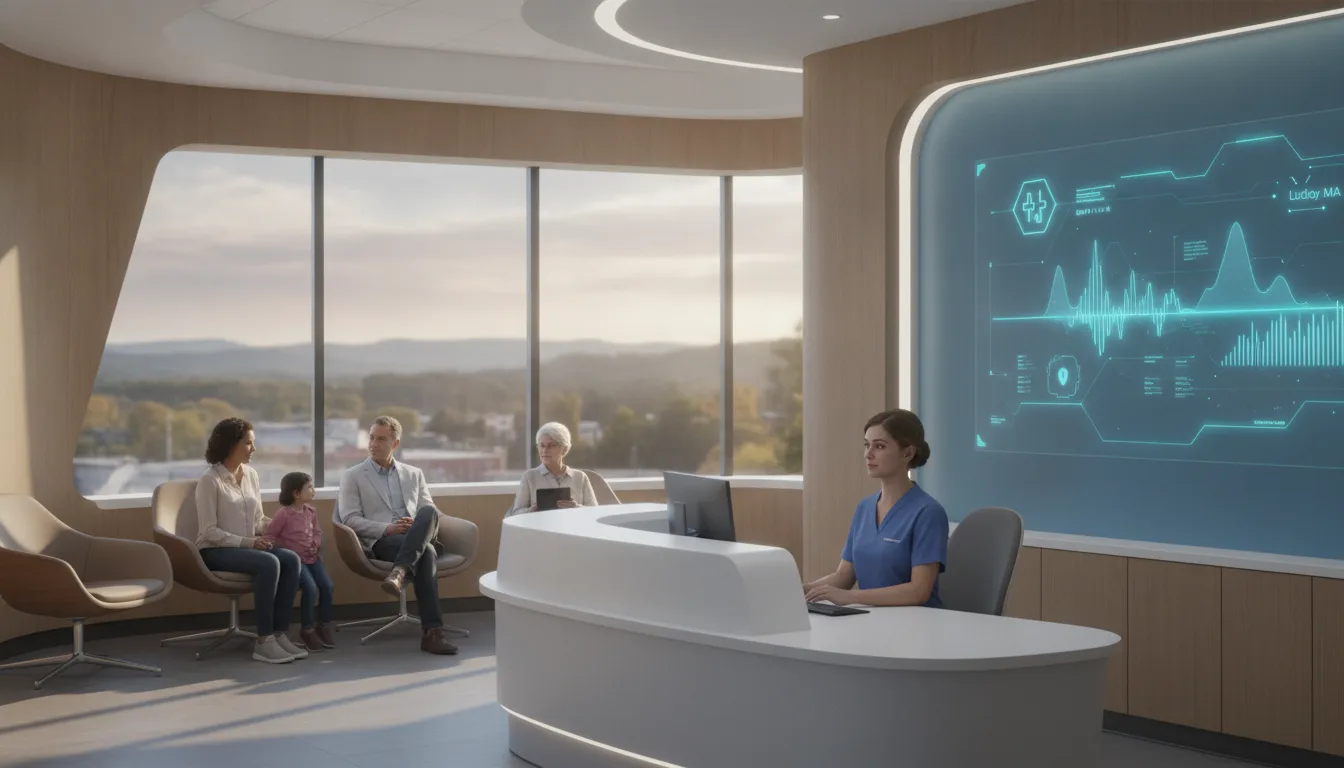
Summary: In Ludlow, MA, urgent care clinics provide essential services for non-life-threatening conditions, offering a convenient alternative to emergency rooms with shorter wait times and lower costs. Most clinics accept major insurance plans, making them a cost-effective option. When choosing a clinic, consider location, services offered, and patient ratings to ensure timely and appropriate care.
A sharp wrist pain after a fall in the driveway or a sudden 102-degree fever on a Tuesday evening leaves you stranded when your primary physician's office is already locked. Heading straight to an emergency room often means hours spent sitting in a crowded waiting area alongside critical trauma cases. For residents seeking ludlow urgent care, walk-in medical centers provide an immediate local alternative that handles acute, non-life-threatening conditions without hospital-level delays.
Nationwide, 4,244 clinics across 1,263 cities are cataloged in our directory, reflecting how essential walk-in medicine has become for local healthcare access. These facilities bridge the gap between routine office appointments and emergency departments by offering on-site diagnostics, minor procedure capabilities, and extended evening hours.
Choosing the right clinic in the Ludlow area requires evaluating clinical capabilities, insurance participation, and operational consistency. Knowing which facility matches your exact medical situation ensures that you receive effective treatment promptly, while avoiding both unnecessary hospital bills and wasted time in transit.
Key Takeaways
- Extensive national coverage: Our directory lists 4,244 clinics across 1,263 cities, showing how widely accessible immediate outpatient care has become for everyday families seeking treatment close to home.
- Quality variation exists: Of the 3,261 listings in our directory that carry a rating, 36% are rated 4.5 or higher, underscoring why checking patient feedback before you arrive helps ensure reliable treatment.
- Rapid turnaround times: Walk-in clinics typically evaluate and discharge patients far faster than hospital emergency departments, making them the superior choice for non-critical medical issues.
- Predictable insurance acceptance: Most walk-in facilities participate in major commercial insurance networks, MassHealth, and Medicare, keeping patient copays and out-of-pocket costs manageable.
- Broad diagnostic capabilities: Community clinics handle everything from suturing lacerations and splinting fractures to administering rapid strep tests, basic blood panels, and digital X-rays under one roof.
At a Glance
| Clinic | Rating | Services Offered | Location |
|---|---|---|---|
| Baystate Medical Practices | 5/5 | Obstetrics and Gynecology | Greenfield, MA |
| Harbor Cove Dental | 5/5 | Dentistry | Gloucester, MA |
| Internal Medicine | 5/5 | Primary Care | Groton, MA |
What Should You Consider When Choosing Urgent Care?
When choosing an urgent care facility, evaluate travel distance, diagnostic equipment on-site, operating hours, and whether the clinical staff can treat your specific ailment. A clinic located ten minutes away that features digital radiography and on-site lab testing prevents secondary trips to an imaging facility or emergency room.
Physical distance remains an immediate priority during acute discomfort. If a child suffers a deep cut or an elderly parent develops symptoms of a urinary tract infection, driving thirty minutes past closer centers creates unnecessary distress. Verify that the center is truly open when you plan to travel. Many walk-in facilities maintain extended evening hours and weekend availability, but holiday schedules and registration cut-offs can vary substantially between regional networks.
Clinical capability is the next determining factor. Not all outpatient centers maintain identical diagnostic tools. While almost every center manages basic prescription renewals and rapid flu screens, only select locations house licensed radiologic technologists capable of taking musculoskeletal X-rays. If you suspect a bone fracture or need immediate wound closure, call ahead or verify online that the location supports suturing, splinting, and basic point-of-care laboratory work.
Staff credentials and facility layout also influence your visit quality. Certain centers staff board-certified emergency medicine physicians, while others rely on physician assistants and family nurse practitioners. Reviewing patient feedback and checking whether the facility provides dedicated pediatric exam rooms or separate waiting spaces for contagious illnesses can help you pick the best environment for your household.
How Do Ratings Shape Your Choice?
Ratings give you a quick read before you ever step inside. They point to wait times, how the staff treats people, how clean the place feels, and whether anyone bothers to explain the bill.
A crowded waiting room usually spills into the front desk. Better scores often belong to clinics that keep triage moving, speak plainly, and handle patients with some grace.
Patient reviews are useful when you're sorting through options for. In our directory, 3,261 listings with ratings include 36% that sit at 4.5 or higher. That doesn't make every top-rated clinic flawless. It just makes the stronger ones easier to spot.
Read the comments. Marketing copy can promise a quick visit. A string of complaints about ninety-minute waits on evening shifts tells a different story. Pay attention to the way people describe the staff. If reviewers keep saying the clinician listens, explains home care clearly, and checks the pharmacy location, that's worth noticing.
Fresh reviews matter a lot. A 4.8 average from ten old posts means less than a 4.6 rating built from four hundred reviews in the last six months. Recent feedback reflects the current medical director, the nurses on shift, and the desk staff you'll actually meet.
Insurance and Cost Considerations
Urgent care usually costs far less than an emergency room visit. For people with insurance, copays often land between fifty and two hundred dollars.
Check your network before you go. A clinic may take your plan, but the lab or X-ray reader might not. That's how surprise bills show up. Ask the receptionist how tests get billed before anything starts.
Self-pay patients and people with high deductibles should ask for the cash price upfront. Many clinics post fee schedules online or at the desk. A basic visit often has one flat price, then extra charges if you need stitches, a breathing treatment, or a brace.
If you don't have full coverage, ask about payment help. Some clinics use sliding-scale discounts based on household income. Others cut charges for military members, veterans, or municipal workers. Get the details at check-in. It saves trouble later.
The Role of Technology in Urgent Care
Urgent care has gotten a lot more digital. Digital registration, queue tracking, records that talk to each other, and automated diagnostic tools all help move patients through faster.
That matters in a busy clinic. It cuts lobby crowding, speeds up charting, and gets your primary care doctor the notes about your acute visit without a long delay.
Check-in has changed, too. Patients with sudden symptoms do not have to sit in a waiting room and hope for the best. Many clinics now use virtual lines, so you can register on your phone from home, watch the queue move, and pull into the parking lot just before an exam room opens. Shorter waits. Less exposure. Fewer people leaning on the front desk.
Clinics like those using Clinads use AI to shape booking and local visibility. When nearby demand spikes, those systems match open slots to the patients looking for care. Medical practices that want to review their patient acquisition channels can look at regulatory benchmarks, and our Free Clinic Ad Compliance Checker can help clinics keep their marketing on track.
Records matter after the visit, too. If an urgent care clinician writes a prescription for antibiotics or orders an ankle X-ray, digital systems can send the notes straight to your primary care doctor. Automated pharmacy ordering can also get the prescription to your neighborhood pharmacy before you leave the exam room. Less waiting. Fewer gaps in treatment.
Benefits of Urgent Care Over Emergency Rooms
Urgent care centers handle acute problems that are serious, but not life-threatening, and they usually do it faster and at a much lower price than hospital emergency rooms.
That difference shows up quickly. Emergency departments have to put chest pain, stroke symptoms, and major trauma first, so someone with a sprained ligament or an ear infection can sit for three to six hours while more urgent cases move ahead. Urgent care clinics work with a narrower set of problems, so the line tends to move in a more predictable way.
The price gap is just as obvious. An emergency room visit often brings facility fees above one thousand dollars before doctor charges, medication, and testing even enter the picture. Urgent care for the same issue usually lands around one hundred to two hundred and fifty dollars for self-pay patients, or a standard office copay if you have insurance.
The atmosphere is different, too. Emergency rooms can be loud, crowded, and full of ambulances and police cars. Urgent care feels closer to a regular doctor’s office, which is easier on kids and older adults. It still has licensed clinicians and the equipment needed for common problems. Just less chaos.
Conclusion
Finding urgent care in Ludlow, MA means balancing distance, insurance, diagnostic tools, and patient reviews. Do a little research before you need help. That way, if an injury or illness hits, you already know where to go.
Check recent ratings. Confirm that the clinic takes your insurance. Pick places with digital check-in if you want to spend less time waiting.
Healthcare providers who want to build trust in the community can use our Free Patient Review Request Kit to gather patient feedback. When you need immediate medical attention, a little preparation can save money and keep the visit from turning into a bigger headache.
Frequently Asked Questions
What services do urgent care clinics offer?
Walk-in clinics manage non-life-threatening health concerns such as laceration suturing, simple fracture splinting, sprains, minor burns, and sudden respiratory infections. Most locations also perform on-site diagnostic testing, including digital X-rays, urinalysis, rapid COVID-19 screening, and strep tests. Many centers provide routine physical exams, immunizations, and occupational health screenings as part of their outpatient services.
How do I know if an urgent care clinic accepts my insurance?
Review the insurance list on the clinic website or call the front desk before your visit to confirm network status. Have your insurance card ready so the administrative staff can check your member ID, plan network, and copayment tier. Verifying coverage prior to treatment prevents unexpected out-of-network facility charges or separate billing from third-party reference laboratories.
What should I bring to an urgent care visit?
Bring a valid government-issued photo ID, your active health insurance card, and an accepted payment method for required copays. Having an up-to-date medication list, including dosages and over-the-counter supplements, helps practitioners avoid drug interactions. If you have chronic health conditions, allergies, or previous imaging relevant to your current symptom, bring those medical records along.
How long is the wait time at urgent care?
Most urgent care visits take under an hour from check-in through discharge, though wait times fluctuate depending on patient volume and arrival surges. Evenings and weekends often see higher traffic. Many modern walk-in centers provide online check-in queues on their websites, allowing you to reserve a place in line and wait comfortably at home until your room is ready.
Recommended resource
Related reading
- Finding Urgent Care in 2026: A Comprehensive Guide
- Top 10 Clinics in Cicero: A Comprehensive 2026 Guide
- Choosing the Right Clinic in Kansas City: A 2026 Guide

