
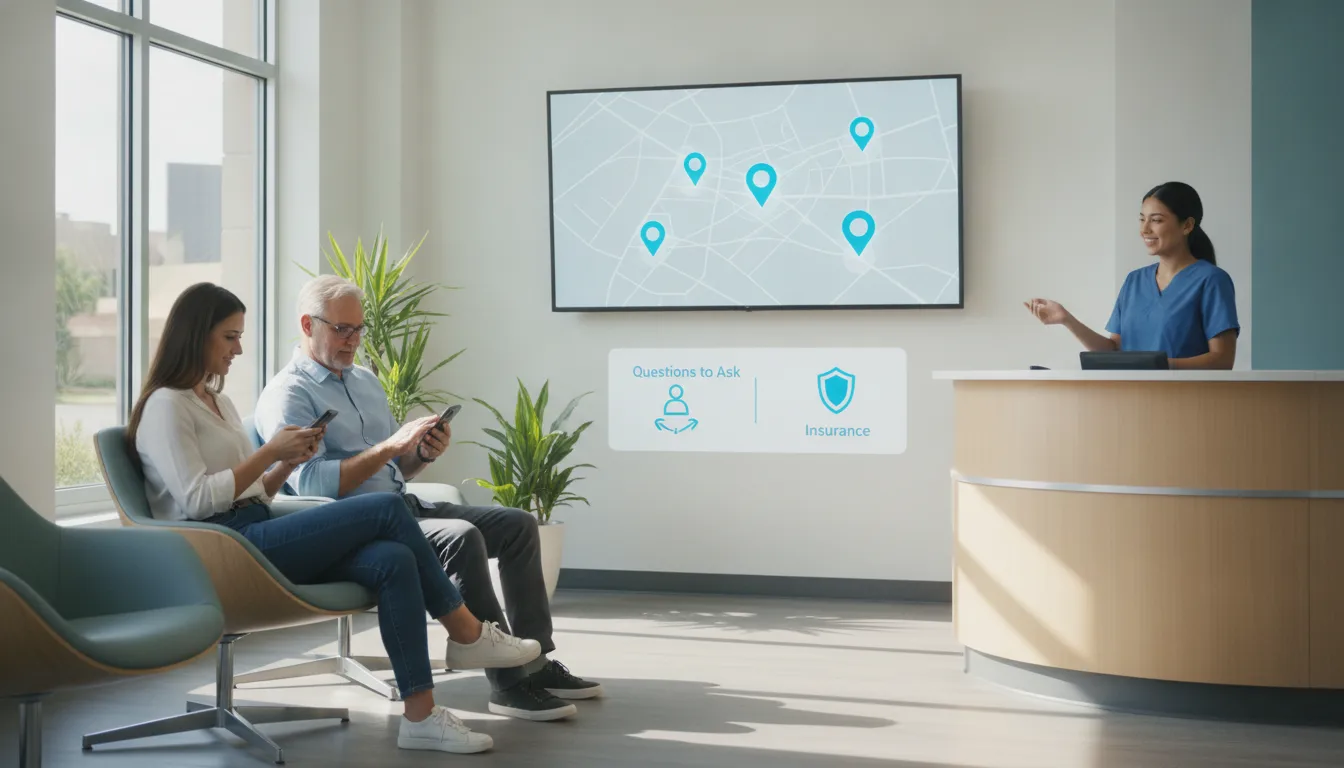
Summary: In Ludlow, MA, urgent care clinics offer a convenient alternative to emergency rooms for non-life-threatening conditions, with shorter wait times and generally lower costs. It's important to check if your insurance is accepted and consider patient reviews to find a reliable clinic. These clinics often provide specialized services and are strategically located for easy access.
A deep laceration from an open kitchen knife or a sudden childhood earache at seven on a Sunday evening leaves families in immediate need of clinical help. Rushing to a regional emergency department often means enduring several hours in a crowded waiting area alongside critical trauma cases. For residents seeking urgent care ludlow ma, walk-in clinics bridge the gap between routine family doctor appointments and expensive hospital emergency visits.
Across our directory, 4,244 urgent care clinics operate throughout 1,263 cities nationwide, delivering same-day medical evaluations for acute, non-life-threatening medical problems. Across these listed locations, the median clinic rating sits at 4.2 stars, proving that walk-in facilities consistently satisfy patient standards when prompt medical attention is required. Evaluating local clinical offerings saves both personal time and financial resources during sudden medical situations.
Understanding how walk-in centers manage patient intake, bill insurance carriers, and treat specialized complaints helps you receive prompt attention when unexpected health events arise. Ludlow residents have access to ambulatory centers equipped to bandage sprains, administer rapid throat cultures, and suture simple wounds. Knowing what each clinic handles before you head out the door ensures your family receives targeted, professional attention without prolonged delays.
Key Takeaways
- Widespread clinic availability: Our directory tracks 4,244 urgent care clinics established across 1,263 cities nationwide, giving families accessible walk-in options outside standard hospital complexes.
- High patient satisfaction benchmarks: Among the 3,261 directory listings that carry a verified patient rating, 36% hold a score of 4.5 out of 5 stars or higher.
- Insurance verification protects savings: While contracted networks differ by operator, confirming plan participation prior to check-in prevents unexpected balance billing and minimizes out-of-pocket costs. JW Holland Wellness (2023) emphasizes the importance of verifying insurance to avoid unexpected costs.
- Service options vary by clinic: Selected walk-in facilities offer specialized capabilities, including on-site digital radiography, pediatric triage, and structured sports medicine evaluations.
- Wait intervals remain predictable: Typical urgent care visits conclude in under an hour, providing faster clinical assessments than hospital emergency departments.
- Verified reviews inform decisions: Patient feedback tracks practical clinic operations, such as staff communication, exam room cleanliness, and registration desk efficiency.
At a Glance
| Feature | Urgent Care Centers | Hospital Emergency Rooms |
|---|---|---|
| Average Waiting Period | Under 30 minutes for initial triage | 2 to 4 hours depending on acuity |
| Typical Patient Expense | Lower copayments and transparent fee tiers | Higher deductible costs and facility fees |
| Clinical Scope Treated | Non-life-threatening conditions and minor trauma | Severe, catastrophic, and life-threatening crises |
| Health Insurance Handling | Varies across private networks and regional plans | Broadly accepted under federal emergency mandates |
What Makes Urgent Care Convenient?
Urgent care centers offer rapid, walk-in medical evaluation for acute, non-life-threatening issues without requiring an appointment. Their extended evening and weekend hours, on-site diagnostics like digital X-rays, and central neighborhood locations give patients immediate access when primary care offices are closed, all while avoiding hospital emergency department backlogs.
Walk-in facilities treat common clinical problems that cannot wait through the weekend, including minor bone fractures, joint sprains, simple lacerations, and urinary tract infections. By addressing these acute concerns outside acute hospital settings, clinics reduce the strain placed on local emergency teams while preserving hospital resources for life-threatening traumas. Patients walk in without prior coordination, register at the reception desk, and consult with a qualified physician or advanced practice clinician within a single visit.
Accessibility extends beyond standard office schedules. Most community walk-in centers keep their doors open late into the evening on weekdays and operate comprehensive shifts through Saturdays and Sundays. This schedule serves working adults, school-aged dependents, and elderly residents who cannot easily book appointments during regular business hours. Modern ambulatory facilities also offer digital check-in systems on their websites. Patients can add their names to the arrival queue from home, monitor real-time wait times on their phones, and arrive right before their private exam room is prepared.
How to Choose the Right Urgent Care
Finding convenient urgent care near you starts with a few blunt checks. Is it in your plan? Can they treat the problem you actually have? Do people leave happy?
Begin with the clinic itself. If your child has an earache, if you’ve got a cut, if you need help with a viral illness, the center should have the tools on site to handle that visit without sending you on a scavenger hunt. Some places keep digital X-rays, blood testing devices, and IV fluids ready. Others don’t. Trusted regional practices, such as Clincy, list what they do, show qualified staff, and keep strong ratings in independent reviews.
Location matters too. So do the rules. A clinic close to home or work is easier to use, and parking can save you a bad day from getting worse. You should also ask what happens if the problem turns out to be bigger than the clinic can handle. Many urgent care centers have transfer agreements with hospitals and specialty groups, so if a simple wrist injury turns into something uglier, your notes and scans can go where they need to go without starting from zero.
Understanding Insurance Coverage
Coverage is usually straightforward, until it isn’t. Most urgent care visits fall under outpatient care, so the copay is often closer to a specialist visit than an emergency room bill, but your exact cost depends on your plan and whether the clinic is in network.
Many commercial plans, Medicare plans, and regional managed care contracts include walk-in clinics. In-network copays often land somewhere between thirty and seventy-five dollars, which is a lot easier to swallow than a hospital emergency charge. Still, one branch may be covered and the one across town may not. Call ahead. Check the insurer directory before you leave.
If you don’t have private coverage, or your deductible is still high, ask about self-pay pricing. Good clinics post clear price tiers for office visits, stitches, and testing. Some will give itemized bills you can use with a health savings account or flexible spending account. Ask about cash discounts and lab charges before you sit down in the waiting room. It saves grief. Branz Nutrition Counseling (2023) provides detailed information on insurance and cost management to help patients navigate their healthcare expenses.
The Role of Reviews in Choosing a Clinic
Reviews are useful because they show what happened to real people, not what a brochure promises. They can tell you about the doctor’s manner, the cleanliness of the place, and how long the lobby actually takes.
Of the 3,261 clinic profiles with verified scores in our healthcare directory, the median listing holds 196 patient reviews. That gives you a decent pile of experience to look through, not just a handful of lucky or unlucky visits. You can also use our Free Patient Review Request Kit to compare feedback patterns across clinics. A bigger review count helps smooth out one-off complaints and gives you a better feel for daily operations.
Read the comments, not just the stars. If people keep praising the front desk, the exam time, and the way staff handle kids, that tells you something. If the same complaints keep showing up, like billing mistakes, vague wait times, or rushed exams, pay attention. Many review sites let you search for words like triage speed or X-ray turnaround, which makes it easier to spot clinics that move fast and still treat people decently.
Finding Convenient Urgent Care Near You
Specialized urgent care matters. A clinic with pediatric dosing tools, child-size equipment, or orthopedic splints can handle a problem on the spot instead of sending you somewhere else.
Pediatric urgent care is a good example. Children don’t present the same way adults do, and they often need weight-based medication and calmer hands at the bedside. Centers that say they provide pediatric care usually have pediatric nurse practitioners or emergency-trained clinicians on staff, plus the small gear a child actually needs, like infant blood pressure cuffs and tiny ear speculums. A child with fever or breathing trouble needs that kind of setup. Pediatric Urgent Care in Anaheim (2023) highlights the importance of having specialized pediatric equipment and staff to handle children's unique medical needs.
Sports medicine and occupational health are another part of the picture. Athletes, runners, and workers with twisted knees, dislocated joints, or muscle strains often need a careful exam, and a clinic with splints, braces, casting supplies, and imaging can deal with a lot of that without sending you across town.
How Urgent Care Clinics Reduce Healthcare Costs
They also cost less. A lot less.
Emergency rooms keep trauma teams, surgical staff, and advanced critical care equipment ready at all hours, and that readiness shows up on the bill even when the problem is minor. A rash, an ear infection, or a mild sprain can easily lead to an ER charge above twelve hundred dollars. The same visit at urgent care often lands somewhere between one hundred and two hundred and fifty dollars, which is a meaningful difference for families and for self-insured employers.
Urgent care also takes pressure off hospital emergency departments. When people with minor injuries or routine illnesses use walk-in clinics, ER doctors can stay focused on strokes, heart attacks, and major crashes. Wait times tend to shrink. Costs do too.
Conclusion
Picking a clinic takes a little homework. Check the hours, the on-site lab, the insurance network, and the reviews from people in your area. Then look for the nearest convenient urgent care before you actually need it.
That part matters. A little planning now can save a long wait later.
Frequently Asked Questions
What services do urgent care clinics provide?
Urgent care clinics handle problems that can wait a little, but not for long. A twisted ankle, a small fracture, a rash that came out of nowhere, a cut that needs stitches, a flu test, they see all of that. Many clinics also have X-rays, urine tests, and rapid swabs on site. Some even do sports physicals and routine shots for work.
How do I know if an urgent care clinic accepts my insurance?
Check your insurer’s provider directory first. Call the clinic before you leave home if anything looks unclear.
The front desk can usually verify your plan, check whether the clinic is in network, and explain copays or deductible details. I’d still confirm with your health plan directly. That saves headaches.
Are urgent care clinics open on weekends?
Yes. Most of them are open on Saturdays and Sundays, and many keep longer hours in the afternoon and evening. That makes them useful when something crops up after your regular doctor’s office has closed.
Hours do change, though. Holidays, local staffing, and location can all affect the schedule, so it’s smart to look online before you drive over.
How long is the typical wait time at an urgent care clinic?
Usually not long. Walk-in clinics often move people from arrival to room intake in under 30 minutes.
The full visit, including triage, the clinician’s exam, and any tests, often wraps up in less than an hour. But that depends on how busy the place is, what time of year it is, and whether someone with a more urgent problem got there first.
Can urgent care clinics handle pediatric cases?
Yes, many of them do. They treat ear infections, minor cuts, sports injuries, and the usual childhood illnesses.
Some clinics also have pediatric staff and smaller tools sized for kids. Call ahead if you’re bringing an infant or a young child. Don’t guess.
What should I bring to an urgent care visit?
Bring a government-issued photo ID, your insurance card, and a payment method for any copay. You should also bring a list of current prescriptions, known allergies, and past surgeries.
That paperwork helps the intake process go faster, and it gives the clinician the basics they need to treat you safely.
Related reading
- CaroMont Diabetes Center: Expert Care and Education Guide
- Choosing Healthcare in Wilkes Barre: A 2026 Guide

