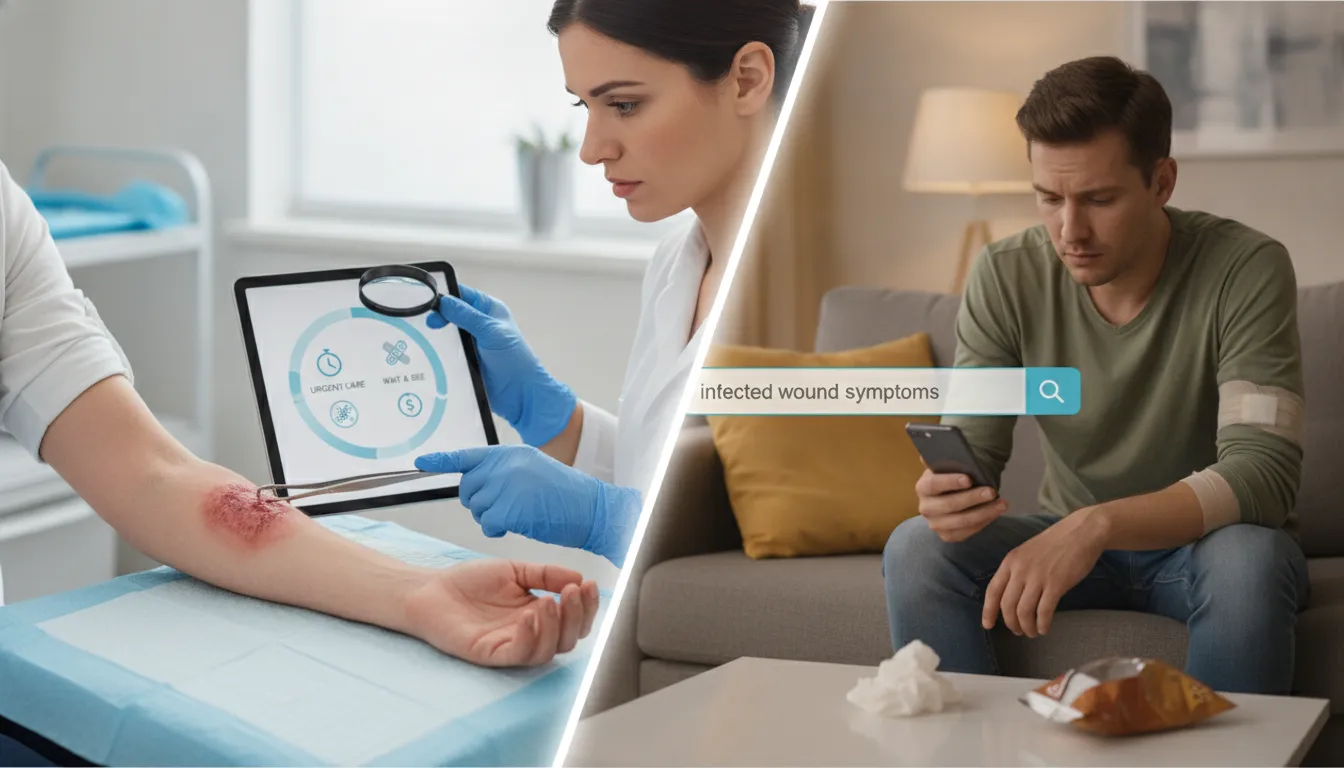
Summary: In Ludlow, MA, urgent care centers provide timely and cost-effective treatment for minor infections, such as redness, swelling, or pus around stitched wounds. These centers offer quick access to medical professionals, often with walk-in appointments and lower costs than emergency rooms. They accept various insurance plans, making them a practical choice for non-life-threatening conditions requiring immediate attention.
A kitchen knife slips on a cutting board on Thursday evening, leaving a deep laceration that requires six sutures at the clinic. By Sunday morning, the wound throbs under the gauze, the surrounding skin feels hot to the touch, and yellowish fluid seeps from the needle punctures. Of the 4,244 Urgent Care clinics across 1,263 cities cataloged as of September 2026, walk-in facilities routinely handle acute wound complications, yet many people hesitate to seek prompt clinical care because they cannot tell whether a healing suture line is simply irritated or actively infected.
Waiting too long to address postoperative infection can allow localized bacteria to enter deeper tissues, turning a minor issue into a systemic emergency. For residents evaluating ludlow ma urgent care options, choosing a local walk-in facility provides immediate medical evaluation, professional wound cleaning, and prescription management without the extended wait times and high fees of an emergency department. Deciding whether to monitor symptoms at home or seek same-day clinical treatment protects your health and keeps out-of-pocket medical expenses under control.
Key Takeaways
- Urgent care for infections: When redness, swelling, tenderness, or purulent drainage develops around a stitched incision, walk-in clinics deliver timely intervention that halts bacterial progression before deep tissue complications emerge.
- Cost-effective choice: Visiting an urgent care center typically costs between $100 and $200 for self-pay patients, saving hundreds of dollars compared to an emergency department visit for non-life-threatening wound concerns.
- Quick access: Most ambulatory centers provide walk-in appointments with wait times under 30 minutes, allowing patients to see a clinician far faster than scheduling a visit with a primary care doctor.
- Insurance acceptance: Walk-in clinics routinely accept major commercial insurance plans, though patients should always verify network participation and copay requirements prior to treatment to avoid surprise bills.
- Symptom severity: Patients experiencing systemic warning signs such as a high fever or severe pain need immediate medical assessment to rule out spreading cellulitis, abscess formation, or systemic infection.
- Local availability: Accessible community clinics in Ludlow, MA, treat minor traumatic injuries, clean compromised suture lines, and dispense oral antibiotic prescriptions close to home.
At a Glance
| Option | Cost | Wait Time | Insurance | Best For |
|---|---|---|---|---|
| Urgent Care | $100-$200 | Under 30 min | Most plans | Minor infections |
| Wait It Out | $0 | N/A | N/A | Mild symptoms |
When Should You Visit Urgent Care for an Infected Wound?
You should visit urgent care for an infected wound as soon as you notice increasing redness, swelling, warmth, or pus oozing around stitches. These physical signs indicate that bacteria have breached the wound barrier, requiring professional evaluation, sterile cleaning, and targeted antibiotic therapy to stop the infection from spreading into deeper soft tissues.
When a cut receives stitches, mild pinkness around the thread punctures is normal during the initial inflammatory phase of healing. However, healthy inflammation subsides after forty-eight hours, whereas an active bacterial infection causes the perimeter of redness to expand outward. If the skin around the closure becomes increasingly tender to gentle touch, or if you notice opaque, yellow-green drainage collecting along the suture track, waiting for a routine doctor appointment is unsafe. Systemic indicators such as an elevated body temperature or throbbing pain that worsens despite pain medication signal that the body is struggling to contain the pathogen.
Urgent care providers possess the specific clinical equipment and supplies needed to manage suture complications safely. Onsite clinicians can swab the drainage for bacterial culture, irrigate the laceration with sterile saline, remove individual sutures if fluid must be evacuated, and apply antiseptic dressings. They can also administer a tetanus booster if your vaccination history is outdated and prescribe appropriate oral antibiotics to eradicate the underlying bacteria.
Choosing a walk-in center provides a fast, economical alternative to an emergency room visit when you need professional wound care. Our directory lists 4,244 Urgent Care clinics across 1,263 cities as of September 2026, ensuring widespread access to these essential services. Seeking care at the first sign of purulent drainage or expanding redness protects the cosmetic outcome of the scar and prevents secondary complications such as tissue necrosis or bloodstream infections.
What Are the Costs and Benefits of Urgent Care?
Urgent care offers an affordable, rapid healthcare solution for non-emergency conditions, with typical out-of-pocket visit fees ranging between $100 and $200. The primary benefits include walk-in access without an appointment, short lobby waits, extended evening and weekend hours, and broad insurance coverage that eliminates the massive expenses associated with hospital emergency rooms.
For individuals managing unexpected minor illnesses or infected cuts, walk-in clinics bridge the gap between hard-to-book primary care physicians and costly hospital facilities. An emergency room visit for a simple infected laceration can generate facility fees and professional charges exceeding several thousand dollars. In contrast, walk-in medical facilities establish clear, transparent pricing structures that protect uninsured patients and individuals with high-deductible healthcare plans from predatory medical debt.
Most commercial insurance carriers, Medicare programs, and regional health maintenance networks categorize urgent care centers as standard ambulatory clinics. This status keeps patient responsibility limited to a modest specialist or urgent care copay, which usually falls between $20 and $75. In addition to direct monetary savings, urgent care centers deliver substantial time savings. While hospital emergency departments prioritize severe polytrauma and cardiac arrests, walk-in clinics triage patients with minor acute conditions quickly, often completing an examination, cleaning, and prescription handoff in under an hour.
The operational flexibility of walk-in facilities also accommodates busy work and family schedules. Most locations remain open past typical business hours on weekdays and operate full shifts on Saturdays and Sundays. The median rating across those 3,261 rated listings is 4.2, reflecting the generally high level of patient satisfaction with urgent care services. Patients consistently appreciate being able to consult an experienced practitioner on short notice without navigating hospital congestion.
How Does Urgent Care Compare to Waiting It Out?
Urgent care gets you a fast exam and medicine aimed at stopping an infection before it spreads. Waiting can look harmless at first. It can also end in tissue damage, bacteria moving through the body, and a much larger bill later. A mild symptom may cost nothing today. A clinician can still give you a diagnosis, treatment, and some peace of mind.
After stitches or a small skin wound, a little redness can make people hesitate. That reaction makes sense. A bit of erythema right around the knot, or some light itching, can belong to normal healing. If the area stays the same and there’s no throbbing pain, watching it at home for twelve to twenty-four hours is reasonable.
Once the symptoms start growing, the picture changes. Bacterial infections do not simply fade after they settle under closed skin. Redness that begins small can become a deeper abscess or spreading cellulitis within a day. What looks like a simple office visit can turn into a hospital stay with intravenous antibiotics or surgical debridement, and both the pain and the cost climb.
Urgent care sits in the middle, and that is why it helps so many people. Clinicians check the wound’s edges, look for capillary refill, feel for fluctuance, and see whether the closure is still holding. The median rated listing carries 196 reviews, so half of those 3,261 sit below it, which suggests many patients are already sharing what happened when they went in. That kind of feedback can make it easier to act before a small problem turns into a larger one.
What Symptoms Require Immediate Attention?
Go for immediate medical attention if you have a fever above 100.4 degrees Fahrenheit, pain that keeps throbbing, redness spreading away from the stitches, rising warmth, swelling, or red streaks moving toward the torso. Those signs point to an active infection that can worsen quickly and cause serious trouble.
The difference between normal healing and a worsening infection matters. A repaired cut should hurt less each day. If the pain is intense, throbbing, keeps you awake, or gets worse even after over-the-counter pain medicine, bacteria may be multiplying under the closed skin.
Spreading redness is another warning sign. A common trick is to mark the edge of the pink area with a pen. If the redness passes that line over the next few hours, the infection is moving through soft tissue. Heat that spreads several inches from the incision, firm swelling, or foul-smelling pus calls for same-day care. Red streaks along the lymphatic channels point to lymphangitis. That needs quick antibacterial treatment so the infection does not reach the bloodstream and cause sepsis.
Urgent care teams know how to sort out these signs without waiting around. They check vital signs, examine nearby lymph nodes, culture drainage, and start fast-acting medicine. Notably, 36% of the 3,261 listings that carry a rating are rated 4.5 or higher, which points to how often patients find the care useful in these situations. Getting seen as soon as those symptoms show up gives you a better shot at treatment before the illness becomes systemic.
How to Choose the Right Urgent Care Center?
To choose the right urgent care center, verify that the facility accepts your specific health insurance, check patient satisfaction reviews, confirm extended operating hours, and ensure the clinic handles wound care and suture management. Selecting an accredited walk-in practice near your home guarantees prompt access to certified medical practitioners.
Finding dependable medical care during an acute health situation requires evaluating several practical factors before you walk through the door. Distance and travel time should be your first consideration when managing an infected laceration, as sitting in traffic with a throbbing wound creates unnecessary stress. In Ludlow, MA, you can identify nearby, vetted healthcare facilities by searching online resources like the Clinic Directory. This comprehensive database provides direct access to operating schedules, service menus, clinic addresses, and real patient feedback.
Financial compatibility is equally vital. Before leaving home, call the front desk or consult the clinic website to verify whether the center participates in your insurance provider network. Confirming that your policy is accepted prevents unexpected out-of-pocket charges and ensures that diagnostic wound swabs or injected antibiotics are billed under contracted rates. If you do not carry health coverage, ask the administrative staff about discounted self-pay rates or transparent bundled fees for acute wound treatment.
Clinical capability also separates standard walk-in sites from premier urgent care centers. Confirm that the location maintains dedicated procedure rooms equipped for sterile minor surgery, stitch removal, abscess drainage, and dressing changes. It is also beneficial to verify that the medical staff includes board-certified physicians, physician assistants, or nurse practitioners who hold formal accreditations. Reviewing patient testimonials helps you assess staff responsiveness, facility cleanliness, and typical lobby wait times, allowing you to choose a medical facility that delivers compassionate, top-quality clinical care.
Conclusion
Deciding whether to visit urgent care or manage an irritated wound at home comes down to evaluating symptom progression and recognizing clinical risks. While minor tenderness immediately after receiving sutures is expected, expanding redness, localized warmth, throbbing pain, or purulent drainage demands professional evaluation. Walk-in urgent care centers offer an affordable, rapid, and thorough clinical solution that halts bacterial growth before severe complications or costly emergency room visits develop. Inspect your wound under good lighting today, trace any redness to monitor its boundaries, and visit a local urgent care clinic immediately if your symptoms do not improve. Prompt action ensures your skin heals cleanly, safely, and without delay.
Frequently Asked Questions
What is the typical wait time at urgent care?
Most urgent care centers maintain patient wait times under 30 minutes from arrival to clinical intake. Because these facilities operate primarily on a walk-in basis, staff members triage patients based on medical urgency. Visiting during mid-morning or early afternoon hours often results in the shortest delays, allowing you to receive wound evaluations, antibiotic prescriptions, and dressing care without the prolonged waits typical of hospital emergency departments.
Does urgent care accept all insurance plans?
Urgent care facilities work with a wide selection of commercial insurance providers, Medicare plans, and regional managed care organizations, but they rarely accept every single plan. Before your visit, contact the center or check your insurer portal to confirm that the location is in your network. Verifying participation in advance ensures your copay remains low and avoids unexpected out-of-network balance billing for wound treatment.
Can urgent care handle severe infections?
Urgent care clinics are equipped to treat mild to moderate localized infections, perform sterile wound cleaning, and prescribe oral or injected antibiotics. However, if an infection causes life-threatening symptoms such as a high fever, sudden confusion, difficulty breathing, or widespread redness tracking across large limbs, you must visit a hospital emergency room immediately for intravenous therapy and advanced surgical intervention.
How do I find urgent care near me in Ludlow, MA?
You can quickly find reputable medical centers in Ludlow, MA, by consulting the Clinic Directory. This dedicated resource outlines local operating hours, complete service offerings, accepted insurance networks, and verified patient reviews. Using the platform helps you select an accredited clinic nearby that provides expert wound evaluations, stitch care, and fast walk-in treatment when health issues arise.
Related reading
- Finding Urgent Care in Ludlow, MA: A 2026 Guide
- Walk-In Clinics in Ludlow: Your 2026 Care Guide
- Do You Need a Referral for Physical Therapy? A 2026 Guide